

**How to Design a Shopping Paper Bag?**
In today’s eco-conscious world, shopping paper bags have become a staple for retailers and consumers alike. Not only do they serve a practical purpose, but they also offer a unique opportunity for branding and creativity. Designing a shopping paper bag that stands out can enhance the shopping experience and promote your brand effectively. Here’s a guide on how to design a shopping paper bag that is both functional and visually appealing.
**1. Understand Your Brand Identity**
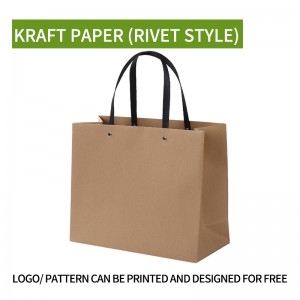
Before diving into the design process, it’s crucial to have a clear understanding of your brand identity. What message do you want to convey? Your shopping paper bag should reflect your brand’s values, personality, and target audience. For instance, a luxury brand may opt for a minimalist design with elegant typography, while a vibrant, youthful brand might choose bold colors and playful graphics.
**2. Choose the Right Material**
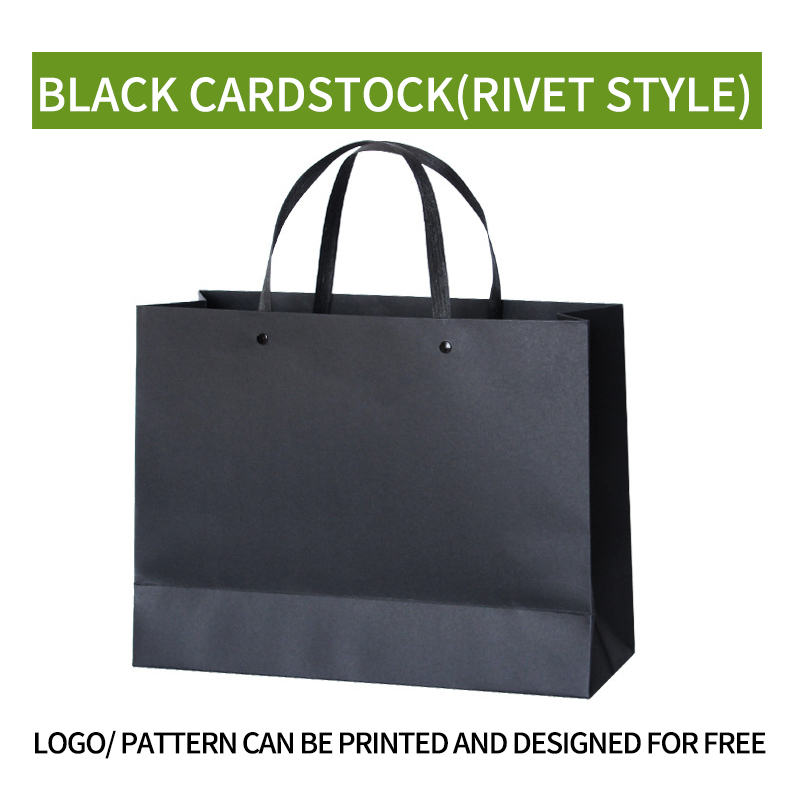
The material of your shopping paper bag plays a significant role in its overall design and functionality. Common options include kraft paper, which is sturdy and eco-friendly, and coated paper, which offers a glossy finish. Consider the weight of the items your bag will carry; heavier items may require thicker paper or reinforced handles. Additionally, think about the environmental impact of your material choice, as consumers are increasingly favoring sustainable options.
**3. Size and Shape Matter**
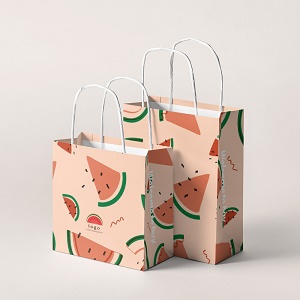
The size and shape of your shopping paper bag should align with its intended use. A small bag may be perfect for boutique items, while larger bags are ideal for groceries or larger purchases. Consider the dimensions carefully to ensure that the bag is not only aesthetically pleasing but also practical for customers. A well-proportioned bag enhances usability and encourages repeat use.
**4. Eye-Catching Graphics and Colors**
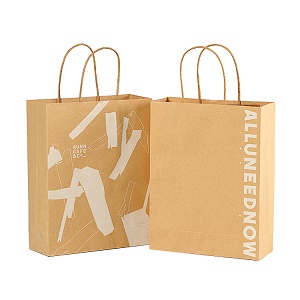
The visual elements of your shopping paper bag are crucial for grabbing attention. Choose a color palette that resonates with your brand and appeals to your target audience. Bright, bold colors can attract younger consumers, while muted tones may appeal to a more sophisticated demographic. Incorporate graphics, logos, or patterns that reflect your brand’s identity. Remember, simplicity often works best; too many elements can overwhelm the design.
**5. Typography and Messaging**
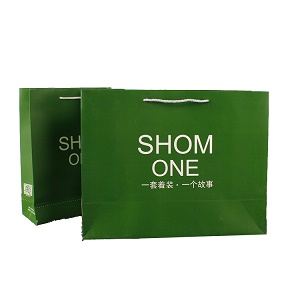
Typography is a powerful tool in design. Select fonts that are legible and align with your brand’s personality. The text on your shopping paper bag should include your brand name, logo, and any relevant messaging, such as a tagline or a call to action. Ensure that the text is easily readable from a distance, as this can help in brand recognition.
**6. Functional Design Features**
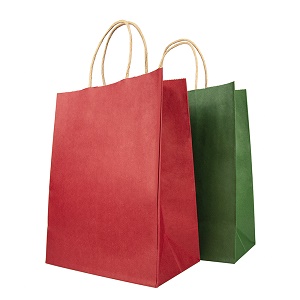
While aesthetics are important, functionality should not be overlooked. Consider adding features such as sturdy handles for easy carrying, a flat bottom for stability, or even a gusset for added space. These functional elements enhance the user experience and encourage customers to reuse the bag, further promoting your brand.
**7. Test and Iterate**
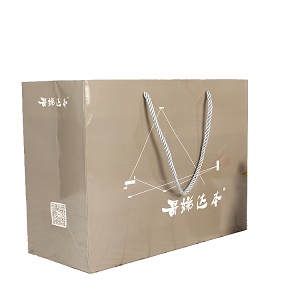
Once you have a design, it’s essential to test it. Gather feedback from potential customers or conduct focus groups to see how your design resonates with your target audience. Be open to making adjustments based on this feedback. Iteration is key to creating a successful shopping paper bag that meets both aesthetic and functional needs.
**Conclusion**
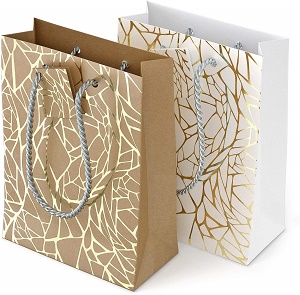
Designing a shopping paper bag is an exciting opportunity to showcase your brand while promoting sustainability. By understanding your brand identity, choosing the right materials, and focusing on functionality and aesthetics, you can create a shopping paper bag that not only serves its purpose but also leaves a lasting impression on your customers. Remember, a well-designed bag can turn a simple shopping experience into a memorable one, encouraging brand loyalty and repeat business.
Post time: Dec-30-2025