

When we think of boxes, our minds often drift to the various forms they take in our daily lives. Two seemingly unrelated types of boxes that serve very different purposes are the aircraft box and the pizza box. While both are designed to hold items securely, their construction, materials, and intended uses highlight the stark differences between them. In this article, we will explore these differences in detail.
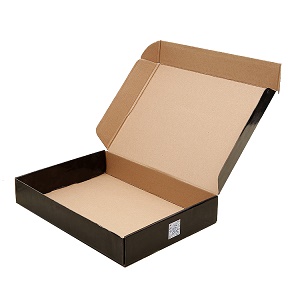
**Purpose and Functionality**
The primary purpose of an aircraft box is to transport and protect sensitive equipment, components, or cargo during air travel. These boxes are engineered to withstand the rigors of flight, including changes in pressure, temperature fluctuations, and potential impacts during loading and unloading. Aircraft boxes are often used to ship delicate instruments, spare parts, or even entire aircraft components, ensuring they arrive at their destination in perfect condition.
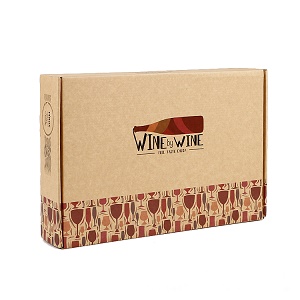
On the other hand, a pizza box is designed for a completely different purpose: to hold and deliver pizza. Its main function is to keep the pizza warm and intact while providing a convenient way for customers to carry their meal home. Pizza boxes are typically lightweight and easy to stack, making them ideal for delivery services. They are designed for short-term use, often discarded after the meal is finished.

**Materials and Construction**
The materials used in the construction of aircraft boxes are vastly different from those used for pizza boxes. Aircraft boxes are often made from high-strength materials such as aluminum, fiberglass, or specialized composite materials. These materials are chosen for their durability and ability to protect the contents from environmental factors. The design of an aircraft box may also include shock-absorbing features, such as foam padding or custom inserts, to ensure that the items inside remain secure during transit.

In contrast, pizza boxes are typically made from corrugated cardboard or paperboard. These materials are lightweight, cost-effective, and easily recyclable. The design of a pizza box is relatively simple, often featuring a foldable structure that can be easily assembled. While pizza boxes do provide some insulation to keep the pizza warm, they are not designed to withstand significant impacts or environmental stressors.
**Design and Aesthetics**
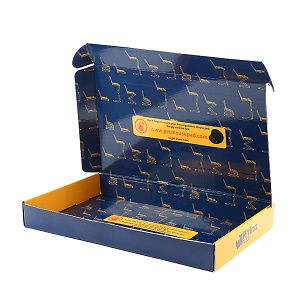
The design of an aircraft box is often utilitarian, focusing on functionality and protection rather than aesthetics. These boxes may feature complex locking mechanisms, handles for easy transport, and labeling systems to identify the contents. The exterior is often marked with warning labels and handling instructions to ensure that the box is treated with care during transit.
Conversely, pizza boxes often feature colorful graphics and branding from the pizzeria. Many pizza boxes are designed to be visually appealing, with logos and images that entice customers. The design may also include ventilation holes to allow steam to escape, preventing the pizza from becoming soggy during transport.
**Conclusion**
In summary, while both aircraft boxes and pizza boxes serve the fundamental purpose of containing and transporting items, they are designed for vastly different applications. Aircraft boxes prioritize durability, protection, and functionality, making them suitable for the aviation industry. In contrast, pizza boxes focus on convenience, cost-effectiveness, and visual appeal, catering to the food delivery market. Understanding these differences not only highlights the diversity of packaging solutions available but also emphasizes the importance of design tailored to specific needs. Whether you’re shipping sensitive equipment or delivering a hot pizza, the right box makes all the difference.
Post time: Mar-25-2026