

In recent years, the landscape of retail shopping has undergone significant changes, particularly in the materials used for packaging. Among these changes, shopping paper bags have emerged as a popular choice for consumers and retailers alike in the United States. This article explores the reasons behind the growing popularity of shopping paper bags and their impact on the retail industry.

One of the primary factors contributing to the rise of shopping paper bags is the increasing awareness of environmental issues. As consumers become more conscious of their ecological footprint, many are seeking sustainable alternatives to plastic bags. Paper bags, often made from recycled materials, present a more environmentally friendly option. They are biodegradable and can decompose naturally, reducing the amount of waste that ends up in landfills. This shift towards sustainability has prompted many retailers to adopt paper bags as part of their commitment to eco-friendly practices.

Moreover, various states and cities across the United States have implemented bans or restrictions on single-use plastic bags. For instance, California was one of the first states to enact a statewide ban on plastic bags, leading to a surge in the use of paper bags. As more regions follow suit, shopping paper bags have become a practical solution for retailers looking to comply with these regulations while still providing customers with a convenient way to carry their purchases.

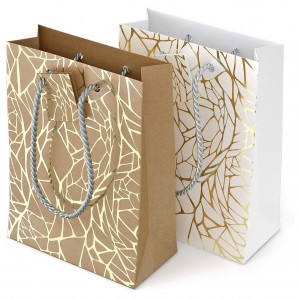
In addition to their environmental benefits, shopping paper bags also offer a range of practical advantages. They are generally sturdier than plastic bags, making them ideal for carrying heavier items without the risk of tearing. Retailers appreciate this durability, as it enhances the customer experience and reduces the likelihood of product damage during transport. Furthermore, paper bags can be designed with appealing graphics and branding, allowing businesses to create a memorable shopping experience and promote their brand identity.

The aesthetic appeal of shopping paper bags cannot be overlooked. Many consumers prefer the look and feel of paper bags over plastic ones. The tactile experience of a paper bag, combined with its ability to be customized with logos and designs, makes it a popular choice for retailers aiming to create a positive impression. High-end stores, in particular, have embraced paper bags as a way to convey luxury and sophistication, further solidifying their popularity in the retail sector.

Another factor driving the popularity of shopping paper bags is the growing trend of conscious consumerism. Today’s shoppers are more informed and selective about the products they purchase and the brands they support. Many consumers actively seek out companies that prioritize sustainability and ethical practices. By using shopping paper bags, retailers can align themselves with these values, attracting a customer base that prioritizes environmental responsibility.
Despite the many advantages of shopping paper bags, there are challenges to consider. The production of paper bags can be resource-intensive, requiring significant amounts of water and energy. Additionally, the cost of paper bags is often higher than that of plastic bags, which can be a concern for budget-conscious retailers. However, as technology advances and the demand for sustainable packaging continues to grow, it is likely that these challenges will be addressed.
In conclusion, shopping paper bags have gained significant popularity in the United States due to their environmental benefits, compliance with regulations, durability, aesthetic appeal, and alignment with conscious consumerism. As more retailers adopt paper bags as their primary packaging choice, it is clear that this trend is not just a passing fad but a reflection of a broader shift towards sustainability in the retail industry. As consumers continue to prioritize eco-friendly options, shopping paper bags are poised to remain a staple in the shopping experience for years to come.
Post time: Jul-17-2026