

In recent years, the environmental impact of consumer habits has come under increasing scrutiny, leading to a significant shift in how shopping paper bags are perceived and regulated across Europe. As sustainability becomes a priority for both consumers and governments, European countries have indeed established high requirements for shopping paper bags.
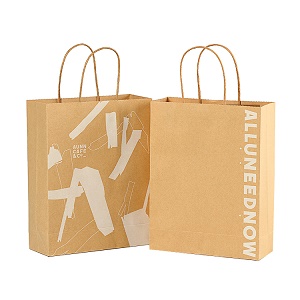
One of the primary drivers behind these regulations is the European Union’s commitment to reducing plastic waste. Many countries have implemented strict guidelines that encourage the use of eco-friendly materials for shopping bags. This has led to a surge in the popularity of paper bags, which are often seen as a more sustainable alternative to their plastic counterparts. However, not all paper bags are created equal. European regulations often stipulate that shopping paper bags must be made from recycled materials or sourced from sustainably managed forests, ensuring that they have a minimal environmental footprint.
Moreover, the design and durability of shopping paper bags are also subject to scrutiny. Many European countries require that these bags be robust enough to carry goods without tearing, which not only enhances the shopping experience but also reduces the likelihood of waste. This focus on quality means that retailers must invest in higher-quality materials and production processes, which can lead to increased costs but ultimately benefits the environment.

In addition to material requirements, some European nations have introduced taxes or fees on single-use bags, further incentivizing consumers to opt for reusable or paper alternatives. This has resulted in a cultural shift where shoppers are more conscious of their choices, often preferring shopping paper bags that align with their values of sustainability.

In conclusion, European countries do have high requirements for shopping paper bags, driven by a collective commitment to environmental sustainability. As regulations continue to evolve, the emphasis on eco-friendly materials and responsible production practices will likely shape the future of shopping habits across the continent.
Post time: Oct-30-2026