

In recent years, the packaging industry has witnessed a significant shift towards sustainable and eco-friendly materials. Among these innovations, honeycomb paper bags have emerged as a popular choice for businesses looking to reduce their environmental footprint while maintaining functionality and aesthetic appeal. But do honeycomb paper bags account for a large proportion of current packaging products? Let’s explore this question in detail.
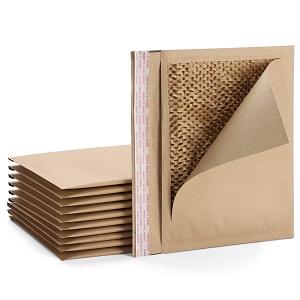
Honeycomb paper bags are made from a unique structure of paper that resembles a honeycomb, providing strength and durability while remaining lightweight. This innovative design not only enhances the bag’s load-bearing capacity but also contributes to its eco-friendliness. Unlike traditional plastic bags, honeycomb paper bags are biodegradable and recyclable, making them an attractive option for environmentally conscious consumers and businesses alike.

The rise in popularity of honeycomb paper bags can be attributed to several factors. First and foremost, there is a growing awareness of the environmental impact of plastic waste. With governments and organizations worldwide implementing bans on single-use plastics, businesses are actively seeking alternatives that align with sustainability goals. Honeycomb paper bags offer a viable solution, as they are made from renewable resources and can be produced with minimal environmental impact.

Moreover, the versatility of honeycomb paper bags makes them suitable for a wide range of applications. From retail and grocery stores to e-commerce packaging, these bags can be customized to meet various needs. Their unique design allows for creative branding opportunities, enabling businesses to stand out in a competitive market. As more companies recognize the benefits of using honeycomb paper bags, their adoption is likely to increase, contributing to a larger share of the overall packaging market.
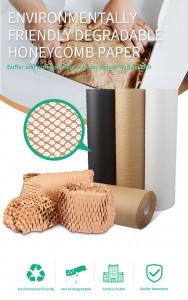
In terms of market statistics, while honeycomb paper bags may not yet dominate the packaging industry, their growth trajectory is promising. According to recent market research, the global paper packaging market is expected to grow significantly in the coming years, driven by the demand for sustainable packaging solutions. Within this market, honeycomb paper bags are gaining traction, particularly in sectors such as food and beverage, cosmetics, and retail.
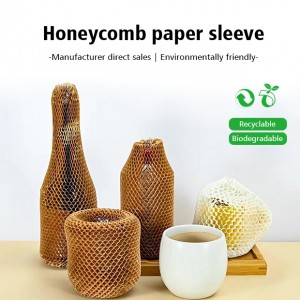
Additionally, the COVID-19 pandemic has accelerated the shift towards online shopping, further boosting the demand for effective and sustainable packaging solutions. As e-commerce continues to thrive, businesses are increasingly looking for packaging that not only protects their products but also reflects their commitment to sustainability. Honeycomb paper bags fit this bill perfectly, making them an appealing choice for online retailers.
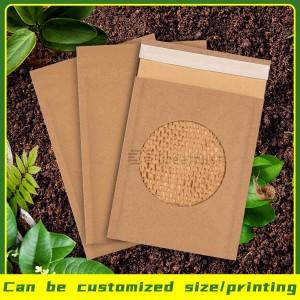
However, it is essential to note that while honeycomb paper bags are gaining popularity, they still represent a fraction of the overall packaging market. Traditional materials such as plastic and cardboard continue to dominate due to their established supply chains and lower production costs. Nevertheless, as consumer preferences shift and regulatory pressures increase, it is likely that honeycomb paper bags will capture a more significant share of the market in the coming years.

In conclusion, honeycomb paper bags are becoming an increasingly important player in the packaging industry, driven by the demand for sustainable alternatives. While they may not yet account for a large proportion of current packaging products, their growth potential is undeniable. As businesses and consumers alike prioritize eco-friendly solutions, honeycomb paper bags are poised to play a crucial role in the future of packaging. The transition towards more sustainable practices is not just a trend; it is a necessary evolution that will shape the industry for years to come.
Post time: Sep-01-2026