

**How Many Types of Materials Are Used for Shopping Paper Bags?**
In recent years, the shopping paper bag has become a staple in retail environments, serving as an eco-friendly alternative to plastic bags. As consumers become more environmentally conscious, the demand for sustainable packaging solutions has surged. Shopping paper bags are not only practical but also versatile, coming in various materials that cater to different needs and preferences. In this article, we will explore the types of materials used for shopping paper bags and their respective benefits.
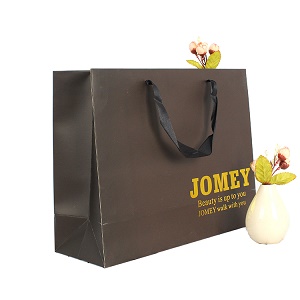
**1. Kraft Paper**
Kraft paper is one of the most common materials used for shopping paper bags. Made from wood pulp through a chemical process, Kraft paper is known for its strength and durability. It is available in various weights, allowing manufacturers to create bags that can hold a significant amount of weight without tearing. Additionally, Kraft paper is biodegradable and recyclable, making it an environmentally friendly choice. Its natural brown color gives it a rustic appeal, which many brands leverage to enhance their eco-conscious image.
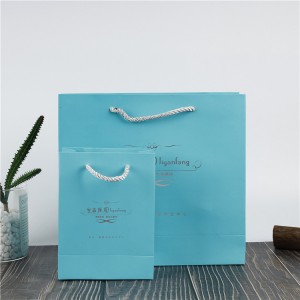
**2. Recycled Paper**
Recycled paper is another popular material for shopping paper bags. This type of paper is made from post-consumer waste, such as old newspapers and cardboard, which is processed and repurposed into new paper products. Using recycled paper for shopping bags helps reduce waste and conserve natural resources. These bags can be printed with vibrant colors and designs, making them an attractive option for retailers looking to promote their brand while being environmentally responsible.
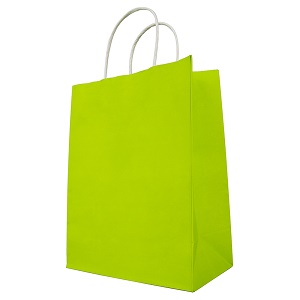
**3. Coated Paper**
Coated paper is often used for shopping paper bags that require a glossy finish or additional durability. This type of paper is coated with a layer of clay or other materials, giving it a smooth surface that enhances print quality. Coated paper bags are ideal for high-end retail products, as they can showcase intricate designs and vibrant colors. However, it is essential to note that coated paper may not be as biodegradable as uncoated options, depending on the type of coating used.
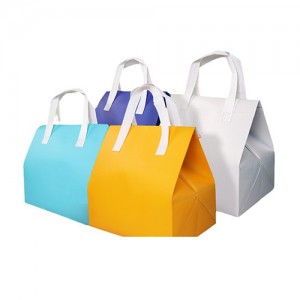
**4. Specialty Paper**
Specialty paper encompasses a range of unique materials designed for specific purposes. For instance, some shopping paper bags are made from water-resistant paper, which is ideal for carrying items that may spill or leak. Others may use textured or patterned paper to create a more luxurious feel. Specialty paper bags can be more expensive to produce, but they offer a distinctive look and functionality that can set a brand apart in a competitive market.
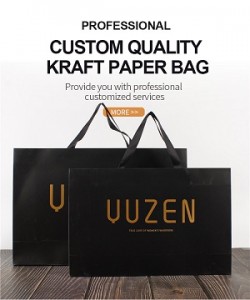
**5. Paperboard**
Paperboard is a thicker and more rigid material often used for shopping bags that require additional support, such as those used for carrying heavier items. Paperboard bags are typically designed with a sturdy base and reinforced handles, making them suitable for grocery shopping or carrying bulky products. While they may not be as flexible as traditional paper bags, their strength and durability make them a popular choice for many retailers.
**Conclusion**
Shopping paper bags come in various materials, each offering unique benefits that cater to different consumer needs and preferences. From the eco-friendly Kraft paper to the luxurious specialty paper, the options are vast. As sustainability continues to be a priority for consumers and businesses alike, the use of shopping paper bags made from recyclable and biodegradable materials will likely continue to grow. Retailers can enhance their brand image while contributing to environmental conservation by choosing the right material for their shopping paper bags.
Post time: Apr-25-2026