

# How to Use an Aircraft Box: A Comprehensive Guide
In the world of aviation, the term “aircraft box” refers to a specialized container designed to safely transport aircraft components, tools, and equipment. Whether you are a seasoned aviation professional or a hobbyist, understanding how to use an aircraft box effectively can enhance your operational efficiency and ensure the safety of your valuable items. This article will guide you through the essential steps and best practices for using an aircraft box.
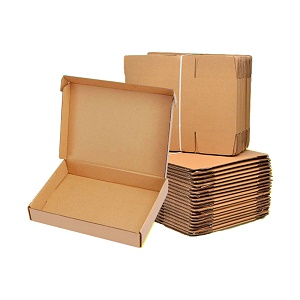
## Understanding the Aircraft Box
An aircraft box is typically constructed from durable materials such as aluminum, fiberglass, or high-density polyethylene. These materials are chosen for their strength and lightweight properties, which are crucial for air travel. The design of an aircraft box often includes features like reinforced corners, secure latches, and foam padding to protect the contents from impact and environmental factors.

### Step 1: Selecting the Right Aircraft Box
Before you can use an aircraft box, you need to select the right one for your needs. Consider the following factors:
- **Size**: Ensure the box is large enough to accommodate the items you plan to transport. Measure your components and compare them with the internal dimensions of the box.
- **Weight Capacity**: Check the weight limit of the box to avoid overloading it, which could compromise its structural integrity.
- **Material**: Choose a box made from materials that suit your specific requirements, such as weather resistance or fireproofing.

### Step 2: Preparing the Contents
Once you have selected the appropriate aircraft box, it’s time to prepare the items for transport. Here are some tips:
- **Clean the Components**: Ensure that all items are clean and free from debris. This is especially important for sensitive equipment that may be affected by dirt or moisture.
- **Disassemble if Necessary**: If you are transporting larger components, consider disassembling them into smaller parts to fit more easily into the box.
- **Use Padding**: To prevent damage during transit, use foam padding or bubble wrap to cushion the items inside the box. This will help absorb shocks and vibrations.

### Step 3: Packing the Aircraft Box
Packing the aircraft box correctly is crucial for ensuring the safety of your items. Follow these steps:
- **Layering**: Start by placing a layer of padding at the bottom of the box. Then, arrange the items in a way that distributes weight evenly.
- **Secure Loose Items**: Use straps or additional padding to secure any loose items that may shift during transport. This will help prevent damage and make unpacking easier.
- **Seal the Box**: Once everything is packed securely, close the box and ensure that all latches are fastened properly. If necessary, use additional tape to reinforce the closure.
### Step 4: Transporting the Aircraft Box
When it comes to transporting your aircraft box, consider the following:
- **Handle with Care**: Always lift the box using proper techniques to avoid injury. If the box is heavy, enlist the help of others.
- **Choose the Right Vehicle**: Ensure that the vehicle you are using for transport is suitable for carrying the aircraft box. Avoid placing it in areas where it could be exposed to extreme temperatures or moisture.
- **Label the Box**: Clearly label the box with its contents and any handling instructions. This will help others understand how to treat the box during transport.
### Conclusion
Using an aircraft box effectively requires careful planning and attention to detail. By selecting the right box, preparing your contents, packing securely, and transporting with care, you can ensure that your aircraft components and tools arrive safely at their destination. Whether you are involved in commercial aviation or simply transporting hobbyist equipment, mastering the use of an aircraft box is essential for protecting your valuable items.
Post time: Apr-27-2026