

### What are the Manufacturing Processes for Air Column Bags?
Air column bags have become an essential packaging solution in various industries, particularly for fragile items that require protection during shipping and handling. These innovative bags are designed to provide cushioning and support, ensuring that products remain safe from damage. Understanding the manufacturing processes for air column bags is crucial for businesses looking to implement this packaging solution effectively.

#### 1. Material Selection
The first step in the manufacturing process of air column bags is the selection of appropriate materials. Typically, air column bags are made from polyethylene or other plastic materials that are lightweight yet durable. The chosen material must possess excellent barrier properties to protect the contents from moisture, dust, and other environmental factors. Additionally, the material should be flexible enough to allow for the inflation of air columns while maintaining structural integrity.
#### 2. Film Extrusion
Once the materials are selected, the next step is film extrusion. This process involves melting the plastic pellets and forcing them through a die to create a thin film. The thickness of the film can be adjusted based on the desired strength and cushioning properties of the final product. The extruded film is then cooled and rolled into large sheets, ready for further processing.
#### 3. Printing and Customization
Before the air column bags are formed, businesses often choose to customize them with branding or product information. This is done through a printing process that can include flexographic or digital printing techniques. Customization not only enhances brand visibility but also provides essential information to consumers about the product inside the bag.
#### 4. Bag Formation
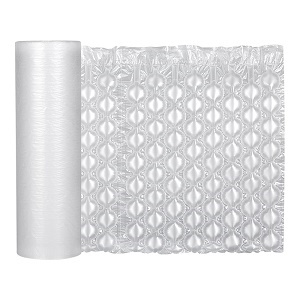
The formation of air column bags is a critical step in the manufacturing process. The printed film is fed into a machine that creates the air columns. This is typically achieved through a combination of heat sealing and folding techniques. The machine seals the edges of the film to create individual air columns, which are then inflated to form the protective structure of the bag. The inflation process is crucial, as it determines the cushioning properties of the final product.
#### 5. Quality Control
Quality control is an essential aspect of the manufacturing process for air column bags. Manufacturers conduct rigorous testing to ensure that the bags meet industry standards for strength, durability, and air retention. This may involve pressure testing, puncture resistance testing, and visual inspections to identify any defects in the bags. Ensuring high-quality production is vital for maintaining customer satisfaction and minimizing returns due to damaged products.
#### 6. Packaging and Distribution
Once the air column bags have passed quality control, they are packaged for distribution. This may involve folding the bags into compact sizes for easy storage and transportation. Manufacturers often provide bulk packaging options for businesses that require large quantities of air column bags. Efficient packaging and distribution processes are essential for meeting customer demands and ensuring timely delivery.
#### Conclusion
The manufacturing processes for air column bags involve several critical steps, from material selection to quality control and distribution. Each stage plays a vital role in ensuring that the final product meets the necessary standards for protecting fragile items during shipping. As businesses continue to seek innovative packaging solutions, understanding these processes will help them make informed decisions about incorporating air column bags into their operations. With their ability to provide excellent cushioning and protection, air column bags are poised to remain a popular choice in the packaging industry.
Post time: May-05-2026