

**What are the Manufacturing Processes for Shopping Paper Bags?**
In recent years, the demand for eco-friendly packaging solutions has surged, leading to a significant rise in the popularity of shopping paper bags. These bags are not only biodegradable but also offer a sustainable alternative to plastic bags, making them a preferred choice for retailers and consumers alike. Understanding the manufacturing processes behind shopping paper bags can provide insights into their quality, durability, and environmental impact.
**1. Raw Material Selection**
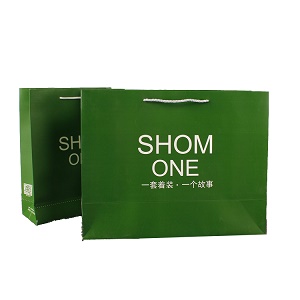
The first step in the manufacturing process of shopping paper bags is the selection of raw materials. Most shopping paper bags are made from recycled paper or virgin paper sourced from sustainable forests. The choice of material affects the bag’s strength, appearance, and overall sustainability. Recycled paper is often favored for its lower environmental impact, while virgin paper can provide a more polished finish.
**2. Pulping Process**
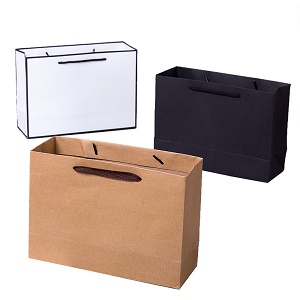
Once the raw materials are selected, the next step is the pulping process. This involves breaking down the paper fibers into a slurry. For recycled paper, the process begins with collecting used paper, which is then cleaned and processed to remove contaminants. The cleaned paper is mixed with water and chemicals to create a pulp. For virgin paper, wood chips are processed through mechanical and chemical means to extract cellulose fibers, which are then turned into pulp.

**3. Sheet Formation**
After pulping, the slurry is spread onto a flat surface to form sheets of paper. This is typically done using a paper machine, which consists of a series of rollers and screens that help drain excess water and compress the fibers into a flat sheet. The sheets are then dried and rolled for further processing. The thickness and weight of the paper can be adjusted during this stage to meet specific requirements for shopping paper bags.
**4. Printing and Design**
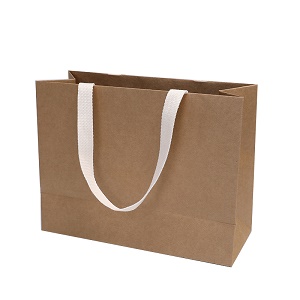
Once the paper sheets are ready, they can be printed with designs, logos, or branding elements. This step is crucial for retailers looking to promote their brand through their shopping bags. Various printing techniques, such as flexography or digital printing, can be employed depending on the complexity of the design and the quantity needed. High-quality inks that are environmentally friendly are often used to ensure that the bags remain sustainable.

**5. Cutting and Die-Cutting**
After printing, the paper sheets are cut into the desired shapes and sizes for the shopping bags. This process often involves die-cutting, where metal dies are used to cut out specific shapes, such as the bag’s body and handles. Precision is key in this stage to ensure that all components fit together seamlessly during assembly.
**6. Assembly**
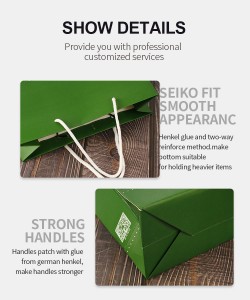
The next step is the assembly of the shopping paper bags. This involves folding the cut paper pieces into the shape of a bag and attaching the handles. Handles can be made from the same paper material or from other sustainable materials like cotton or jute. The assembly process can be done manually or through automated machinery, depending on the scale of production.

**7. Quality Control**
Before the shopping paper bags are packaged and shipped, they undergo rigorous quality control checks. This ensures that the bags meet industry standards for strength, durability, and appearance. Any defective bags are discarded or recycled back into the production process.

**8. Packaging and Distribution**
Finally, the finished shopping paper bags are packaged for distribution. They are often bundled in bulk and shipped to retailers or wholesalers. Sustainable practices are also considered in this stage, with minimal packaging used to reduce waste.
In conclusion, the manufacturing processes for shopping paper bags involve several intricate steps, from raw material selection to final assembly. As consumers increasingly prioritize sustainability, understanding these processes can help them make informed choices about the products they use and support environmentally friendly practices in the retail industry.
Post time: Apr-30-2026