

When it comes to packaging, the terms “aircraft box” and “pizza box” may seem unrelated at first glance. However, both serve crucial roles in their respective industries, and understanding their differences can provide insight into the unique requirements of packaging for various products. In this article, we will explore the characteristics, purposes, and materials of aircraft boxes and pizza boxes, highlighting what sets them apart.
**Understanding Aircraft Boxes**
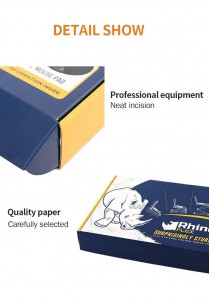
Aircraft boxes, also known as shipping boxes or cargo boxes, are specifically designed for the transportation of goods via air travel. These boxes are engineered to withstand the rigors of air transport, which includes changes in pressure, temperature fluctuations, and potential rough handling during loading and unloading.
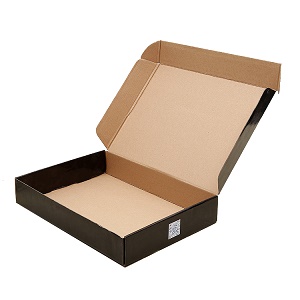
Typically made from sturdy materials such as corrugated cardboard or reinforced plastic, aircraft boxes are built to be lightweight yet durable. They often come in various sizes to accommodate different types of cargo, from small electronic devices to larger machinery parts. Additionally, aircraft boxes may feature specialized designs, such as moisture-resistant coatings or insulation, to protect sensitive items during transit.

One of the key differences between aircraft boxes and other types of packaging is their compliance with aviation regulations. These boxes must meet specific standards set by aviation authorities to ensure the safety and security of the cargo being transported. This includes proper labeling, weight distribution, and secure sealing methods to prevent any potential hazards during flight.

**Exploring Pizza Boxes**
On the other hand, pizza boxes are a staple in the food industry, specifically designed for the delivery and takeout of pizzas. Unlike aircraft boxes, pizza boxes prioritize convenience and functionality for both the restaurant and the customer. They are typically made from lightweight cardboard that is easy to fold and stack, allowing for efficient storage and transportation.

Pizza boxes are designed with ventilation holes to prevent steam buildup, which can make the pizza soggy. This feature is crucial for maintaining the quality of the food during delivery. Additionally, pizza boxes often come in a standard size, typically 12, 14, or 16 inches, to accommodate various pizza sizes. They are usually printed with branding and promotional designs, making them an effective marketing tool for pizzerias.

While pizza boxes are not subject to the same stringent regulations as aircraft boxes, they must still adhere to food safety standards. This includes using food-grade materials that are safe for contact with hot food and ensuring that the packaging does not leach harmful substances into the pizza.
**Key Differences**
The primary differences between aircraft boxes and pizza boxes lie in their purpose, design, and materials. Aircraft boxes are engineered for durability and compliance with aviation regulations, making them suitable for transporting a wide range of goods safely through air travel. In contrast, pizza boxes are designed for convenience and food safety, focusing on maintaining the quality of the pizza during delivery.
Moreover, the materials used in aircraft boxes are often more robust and specialized compared to the lightweight cardboard typically used for pizza boxes. While both types of boxes serve essential functions in their respective industries, their designs reflect the unique challenges and requirements of transporting goods versus delivering food.
In conclusion, understanding the differences between aircraft boxes and pizza boxes highlights the importance of tailored packaging solutions in various sectors. Whether ensuring the safe transport of cargo or delivering a hot meal, the right box can make all the difference in maintaining quality and safety.
Post time: Nov-11-2026