

**Why Are Shopping Paper Bags Considered More Environmentally Friendly?**
In recent years, the conversation surrounding environmental sustainability has gained significant traction, leading consumers and businesses alike to reconsider their choices in packaging. Among the various options available, shopping paper bags have emerged as a popular alternative to plastic bags. But what makes shopping paper bags more environmentally friendly? This article delves into the reasons behind the growing preference for paper bags and their positive impact on the environment.

**Biodegradability and Compostability**
One of the primary reasons shopping paper bags are considered more environmentally friendly is their biodegradability. Unlike plastic bags, which can take hundreds of years to decompose, paper bags break down naturally within a few months when exposed to the right conditions. This means that when discarded, paper bags do not contribute to long-term pollution in landfills or oceans. Furthermore, many paper bags are compostable, allowing them to return nutrients to the soil and support plant growth, thus closing the loop in a sustainable cycle.

**Sustainable Sourcing**
Shopping paper bags are often made from renewable resources, primarily trees. Many manufacturers source their paper from sustainably managed forests, where trees are replanted after harvesting. This practice not only ensures a continuous supply of raw materials but also helps maintain biodiversity and supports ecosystems. In contrast, plastic bags are derived from fossil fuels, a non-renewable resource that contributes to environmental degradation and climate change.

**Lower Carbon Footprint**
The production of shopping paper bags generally results in a lower carbon footprint compared to plastic bags. While the manufacturing process for paper bags can be energy-intensive, advancements in technology and sustainable practices have significantly reduced emissions associated with paper production. Additionally, paper bags are often produced locally, which minimizes transportation emissions. In contrast, plastic bags are typically produced overseas and transported long distances, contributing to higher greenhouse gas emissions.

**Encouraging Reusability**
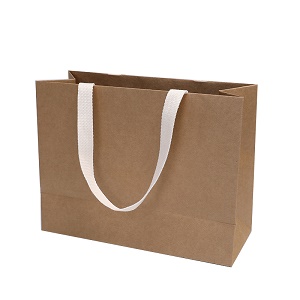
Another factor that enhances the environmental appeal of shopping paper bags is their potential for reusability. Many consumers are now opting for sturdier paper bags that can be used multiple times, reducing the need for single-use plastic bags. This shift in consumer behavior not only decreases waste but also promotes a culture of sustainability. By encouraging the use of reusable shopping paper bags, individuals can significantly reduce their environmental impact.
**Public Awareness and Policy Changes**
The growing awareness of environmental issues has led to increased advocacy for sustainable practices, including the use of shopping paper bags. Many cities and countries have implemented bans or taxes on plastic bags, further incentivizing consumers to choose paper alternatives. This shift in policy reflects a broader commitment to reducing plastic waste and promoting environmentally friendly practices. As more people become aware of the benefits of shopping paper bags, their popularity continues to rise.
**Conclusion**
In conclusion, shopping paper bags are considered more environmentally friendly for several compelling reasons. Their biodegradability, sustainable sourcing, lower carbon footprint, potential for reusability, and the influence of public awareness and policy changes all contribute to their positive environmental impact. As consumers become increasingly conscious of their choices, the shift towards shopping paper bags represents a significant step towards a more sustainable future. By choosing paper over plastic, individuals can play a vital role in reducing waste and protecting the planet for future generations.
Post time: Apr-24-2026