

**Why Do Most Beverages Prefer Using Paper Tubes?**
In recent years, the beverage industry has witnessed a significant shift towards sustainable packaging solutions. Among these, paper tubes have emerged as a popular choice for many beverage brands. This article explores the reasons behind this trend and why most beverages prefer using paper tubes over traditional packaging materials.
**Sustainability and Environmental Impact**
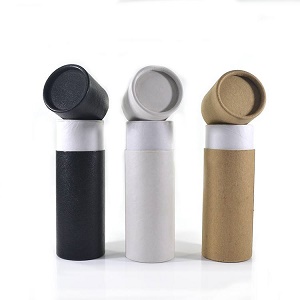
One of the primary reasons beverages are increasingly opting for paper tubes is the growing emphasis on sustainability. With rising concerns about plastic pollution and its detrimental effects on the environment, many companies are seeking eco-friendly alternatives. Paper tubes are made from renewable resources, primarily wood pulp, which is biodegradable and recyclable. This aligns with the global movement towards reducing plastic waste and promoting sustainable practices.

Moreover, the production of paper tubes generally has a lower carbon footprint compared to plastic packaging. As consumers become more environmentally conscious, brands that adopt sustainable packaging solutions like paper tubes can enhance their image and appeal to a broader audience. This shift not only helps the planet but also meets the demands of eco-aware consumers who prefer to support brands that prioritize sustainability.
**Versatility and Customization**
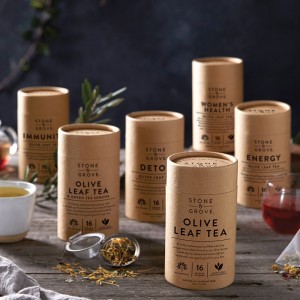
Another significant advantage of paper tubes is their versatility. They can be designed in various shapes, sizes, and colors, allowing brands to create unique packaging that stands out on the shelves. This customization is particularly important in the competitive beverage market, where eye-catching packaging can influence consumer choices.
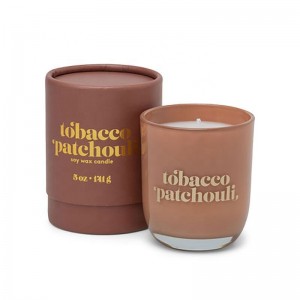
Paper tubes can also accommodate a wide range of beverages, from juices and smoothies to alcoholic drinks and energy beverages. Their sturdy construction ensures that the contents remain protected during transportation and storage, reducing the risk of damage. Additionally, paper tubes can be easily printed on, providing brands with an opportunity to showcase their logos, nutritional information, and marketing messages effectively.
**Consumer Experience and Convenience**
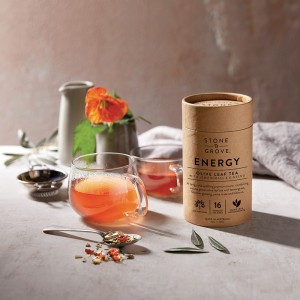
The consumer experience is another critical factor driving the preference for paper tubes in the beverage industry. Many consumers appreciate the tactile feel of paper packaging, which can evoke a sense of quality and care. Unlike plastic, which can feel cheap and disposable, paper tubes offer a more premium experience that resonates with consumers.
Furthermore, paper tubes are often designed for easy opening and resealing, making them convenient for on-the-go consumption. This is particularly appealing for beverages that are consumed in single servings or require portability. The ability to reseal a paper tube can also help maintain the freshness of the beverage, enhancing the overall consumer experience.
**Regulatory Compliance and Health Concerns**
As health and safety regulations become more stringent, beverage companies are also considering the implications of their packaging choices. Paper tubes are generally considered safer than plastic, as they do not leach harmful chemicals into the contents. This is particularly important for beverages that are consumed by children or health-conscious individuals. By using paper tubes, brands can reassure consumers that their products are packaged in a safe and healthy manner.
**Conclusion**
In conclusion, the preference for paper tubes in the beverage industry is driven by a combination of sustainability, versatility, consumer experience, and health considerations. As the demand for eco-friendly packaging continues to rise, it is likely that more beverage brands will adopt paper tubes as a viable alternative to traditional packaging materials. This shift not only benefits the environment but also enhances brand image and consumer satisfaction, making paper tubes a win-win solution for the beverage industry.
Post time: Sep-16-2026