

In recent years, the trend of using shopping paper bags has gained significant momentum among consumers and retailers alike. As environmental concerns continue to rise, many individuals are seeking sustainable alternatives to plastic bags, leading to a growing preference for shopping paper bags. This article explores the reasons behind this shift and why shopping paper bags have become a popular choice for many.
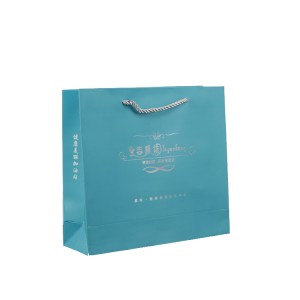
One of the primary reasons people prefer shopping paper bags is their eco-friendliness. Unlike plastic bags, which can take hundreds of years to decompose, paper bags are made from renewable resources and are biodegradable. This means that when disposed of properly, they break down naturally, reducing the burden on landfills and minimizing environmental impact. As awareness of climate change and pollution increases, consumers are more inclined to choose products that align with their values of sustainability and environmental responsibility.

Another factor contributing to the popularity of shopping paper bags is their durability and strength. Many consumers have experienced the frustration of plastic bags tearing or breaking, leading to spills and messes. In contrast, shopping paper bags are often sturdier and can hold heavier items without the risk of failure. This reliability makes them a practical choice for carrying groceries, clothing, and other purchases, enhancing the overall shopping experience.
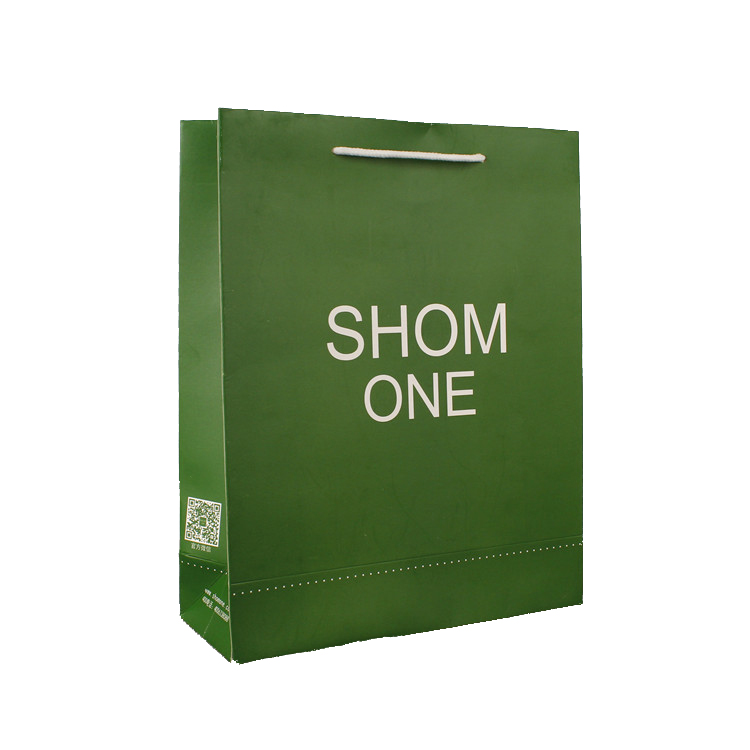
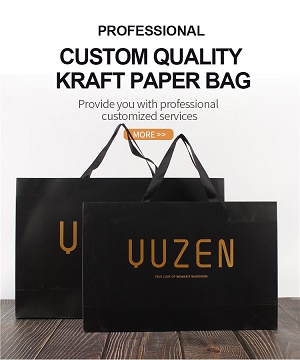
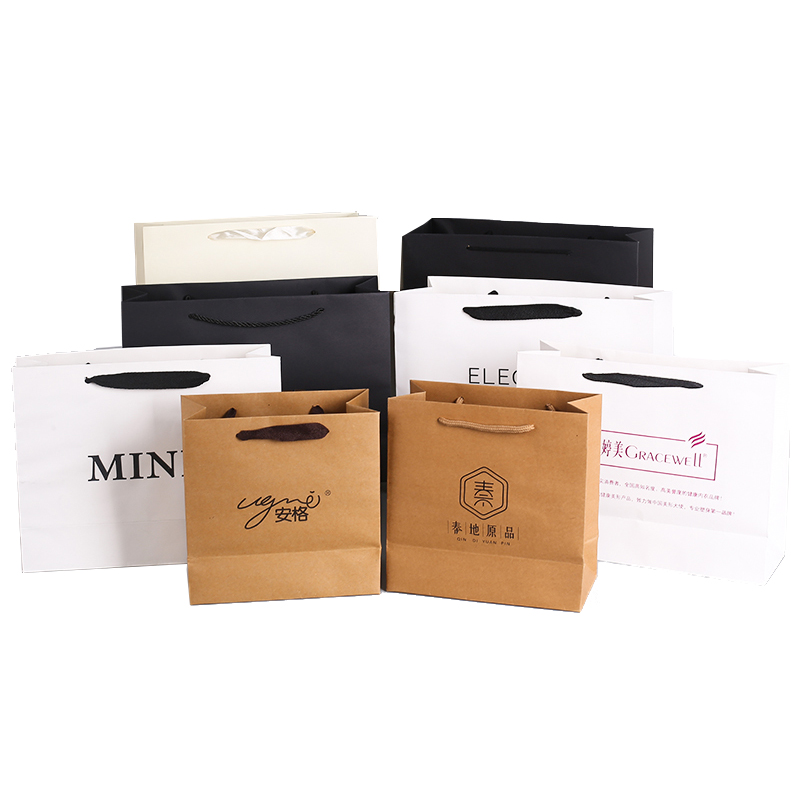
Additionally, shopping paper bags offer a more aesthetically pleasing option compared to their plastic counterparts. With a variety of designs, colors, and sizes available, retailers can use paper bags as a branding tool to enhance their image and attract customers. A well-designed paper bag can serve as a marketing asset, creating a positive impression and encouraging repeat business. Consumers appreciate the visual appeal of shopping paper bags, which can elevate the overall shopping experience and make it feel more special.
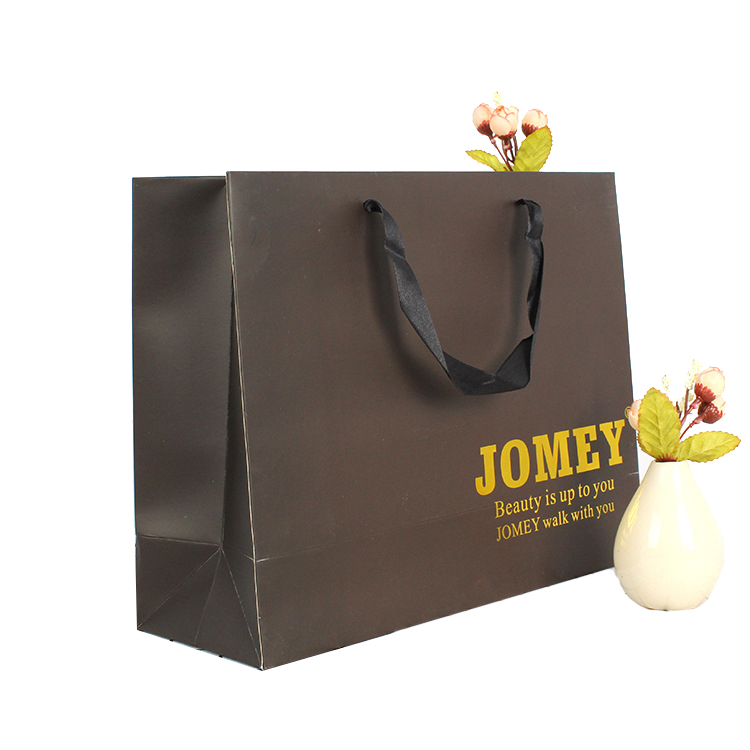
Moreover, the shift towards shopping paper bags is also influenced by changing regulations and policies. Many cities and countries have implemented bans or restrictions on single-use plastic bags, prompting consumers to seek alternatives. Retailers are responding to these changes by offering shopping paper bags as a compliant and sustainable option. This regulatory environment has accelerated the adoption of paper bags, making them a more accessible choice for consumers.
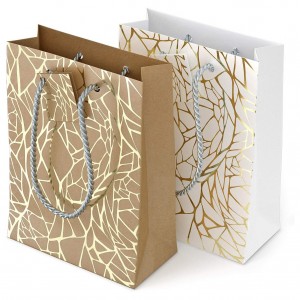
The convenience of shopping paper bags cannot be overlooked either. Many paper bags come with handles, making them easy to carry, especially when shopping for multiple items. This practicality appeals to consumers who value ease and comfort during their shopping trips. Furthermore, paper bags can be reused for various purposes, such as storage or gift wrapping, adding to their overall utility.
Lastly, the growing awareness of social responsibility plays a significant role in the preference for shopping paper bags. Consumers are increasingly looking for ways to support businesses that prioritize sustainability and ethical practices. By choosing shopping paper bags, individuals feel they are making a conscious choice that contributes to a larger movement towards environmental stewardship. This sense of purpose resonates with many, fostering a deeper connection between consumers and the brands they support.
In conclusion, the preference for shopping paper bags stems from a combination of environmental consciousness, practicality, aesthetic appeal, regulatory influences, convenience, and social responsibility. As more people recognize the importance of sustainable choices, shopping paper bags are likely to remain a popular option for consumers and retailers alike. By embracing this trend, individuals can contribute to a healthier planet while enjoying the benefits that shopping paper bags offer.
Post time: Sep-22-2026