

**Why Europeans Prefer Shopping Paper Bags**
In recent years, the shopping landscape has undergone a significant transformation, particularly in Europe, where consumers are increasingly favoring shopping paper bags over their plastic counterparts. This shift is not merely a trend but a reflection of deeper cultural values, environmental consciousness, and practical considerations. Understanding why Europeans prefer shopping paper bags can provide insights into broader consumer behavior and the future of retail.
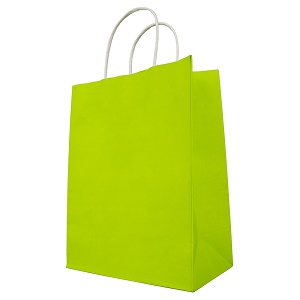
One of the primary reasons Europeans gravitate towards shopping paper bags is the growing awareness of environmental issues. The European Union has been at the forefront of environmental legislation, implementing strict regulations on plastic usage. Many countries have introduced bans on single-use plastic bags, prompting retailers to seek sustainable alternatives. Paper bags, often made from recycled materials, present a more eco-friendly option. This aligns with the values of many European consumers who prioritize sustainability and are willing to support brands that demonstrate a commitment to reducing their environmental footprint.
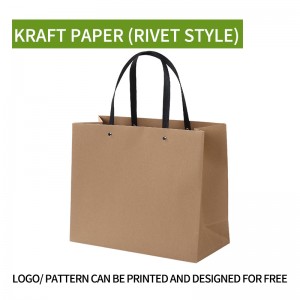
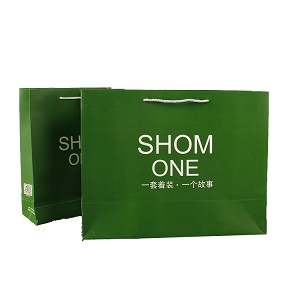
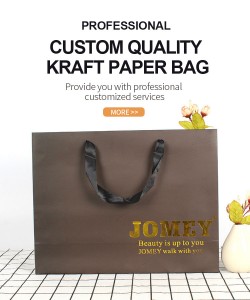
Moreover, shopping paper bags are often perceived as more aesthetically pleasing and sophisticated. In Europe, where fashion and design play a significant role in daily life, the visual appeal of a shopping bag can enhance the overall shopping experience. Retailers often invest in high-quality paper bags that feature attractive designs, logos, and branding, making them a desirable accessory for consumers. This emphasis on aesthetics not only elevates the shopping experience but also encourages consumers to reuse these bags, further reducing waste.
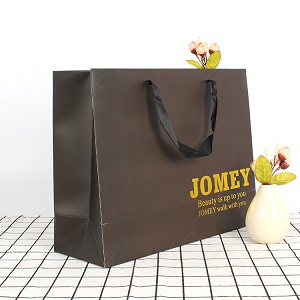
Another factor contributing to the preference for shopping paper bags is their practicality. Paper bags are generally sturdier than plastic bags, making them more suitable for carrying heavier items. This durability is particularly appreciated in European cities where consumers often walk or use public transportation to get home after shopping. A well-constructed paper bag can withstand the rigors of travel, ensuring that purchases arrive home safely. Additionally, many paper bags come with reinforced handles, providing added comfort and security when carrying multiple items.
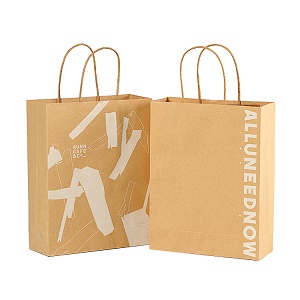
The cultural context also plays a significant role in this preference. In many European countries, there is a strong emphasis on local and artisanal products. Shopping paper bags often reflect this ethos, as they can be sourced from local suppliers and produced using sustainable practices. This connection to local craftsmanship resonates with consumers who value authenticity and are keen to support businesses that contribute to their communities. As a result, shopping paper bags become a symbol of not just a purchase, but a commitment to local economies and sustainable practices.
Furthermore, the rise of conscious consumerism has led to a shift in how people view their purchases. Many Europeans are now more mindful of the impact their shopping habits have on the environment and society. Choosing shopping paper bags is often seen as a small yet significant step towards making more responsible choices. This mindset is particularly prevalent among younger generations, who are more likely to advocate for sustainable practices and demand transparency from brands.
In conclusion, the preference for shopping paper bags among Europeans is driven by a combination of environmental awareness, aesthetic appeal, practicality, cultural values, and a commitment to conscious consumerism. As the retail landscape continues to evolve, it is likely that this trend will persist, shaping the future of shopping in Europe and beyond. By embracing sustainable practices and prioritizing quality, both consumers and retailers can contribute to a more environmentally friendly and socially responsible shopping experience.
Post time: Apr-28-2026