

### Why Europeans Like Aircraft Boxes
In the realm of aviation, the term “aircraft box” refers to a specialized container designed for the safe transport of aircraft components, tools, and even entire aircraft. These boxes are engineered to withstand the rigors of air travel, ensuring that valuable equipment arrives at its destination in pristine condition. While the concept of an aircraft box may seem straightforward, its significance is particularly pronounced in Europe, where the aviation industry is both robust and diverse. This article explores the reasons why Europeans have a particular affinity for aircraft boxes.

#### 1. **Safety and Security**
One of the primary reasons Europeans favor aircraft boxes is the emphasis on safety and security. The aviation industry is heavily regulated, and the transport of aircraft parts must adhere to stringent safety standards. Aircraft boxes are designed to protect sensitive components from damage during transit, which is crucial for maintaining the integrity of aircraft systems. In Europe, where safety regulations are among the strictest in the world, the reliability of aircraft boxes is a significant selling point.

#### 2. **Efficiency in Logistics**
Europe is home to a complex network of airlines, manufacturers, and maintenance facilities. The efficient movement of aircraft parts is essential for minimizing downtime and ensuring that flights operate on schedule. Aircraft boxes streamline the logistics process by providing a standardized method for packing and transporting components. This efficiency is particularly important in Europe, where delays can have cascading effects on interconnected flight schedules. The use of aircraft boxes helps to mitigate these risks, making them a preferred choice among European aviation professionals.
#### 3. **Environmental Considerations**
As Europe continues to lead the charge in environmental sustainability, the aviation industry is also adapting to these changes. Aircraft boxes are often designed with eco-friendly materials and practices in mind. Many manufacturers are now producing reusable boxes that reduce waste and minimize the carbon footprint associated with transporting aircraft parts. This commitment to sustainability resonates with European values, making aircraft boxes an attractive option for companies looking to align their operations with environmentally responsible practices.
#### 4. **Customization and Versatility**
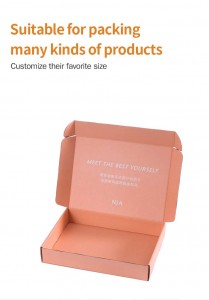
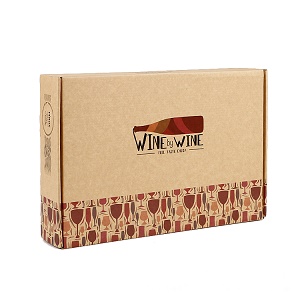
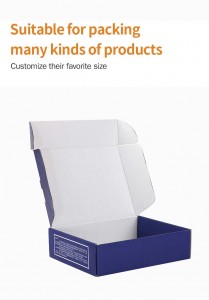
European aviation companies often require customized solutions to meet their specific needs. Aircraft boxes can be tailored to accommodate various sizes and types of components, from small tools to large fuselage sections. This versatility is particularly appealing in a continent where diverse aircraft models and manufacturers coexist. The ability to customize aircraft boxes ensures that European companies can transport their equipment safely and efficiently, regardless of the unique challenges they face.
#### 5. **Cost-Effectiveness**
While the initial investment in high-quality aircraft boxes may be significant, the long-term savings they provide can be substantial. By reducing the risk of damage during transport, companies can avoid costly repairs and replacements. Additionally, the efficiency gained through streamlined logistics can lead to lower operational costs. In a competitive market like Europe, where margins can be tight, the cost-effectiveness of aircraft boxes is a compelling reason for their popularity.
#### Conclusion
The preference for aircraft boxes among Europeans is driven by a combination of safety, efficiency, environmental consciousness, customization, and cost-effectiveness. As the aviation industry continues to evolve, the role of aircraft boxes will likely become even more critical. With their ability to meet the unique demands of the European market, aircraft boxes are not just a practical solution; they are an essential component of the continent’s aviation infrastructure. As Europe strives for excellence in aviation, the aircraft box will undoubtedly remain a favored tool in the industry’s toolkit.
Post time: Apr-28-2026