

In the world of packaging, the choice of materials can significantly impact the safety and integrity of the products being transported. Among the various options available, corrugated bags have gained popularity due to their unique properties and versatility. One of the most pressing questions regarding these bags is whether they provide good shock absorption. This article delves into the characteristics of corrugated bags and evaluates their effectiveness in protecting contents from impact.

**Understanding Corrugated Bags**
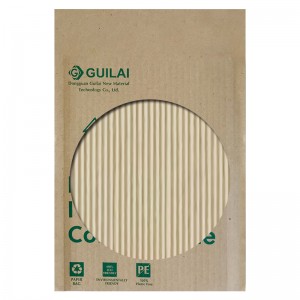
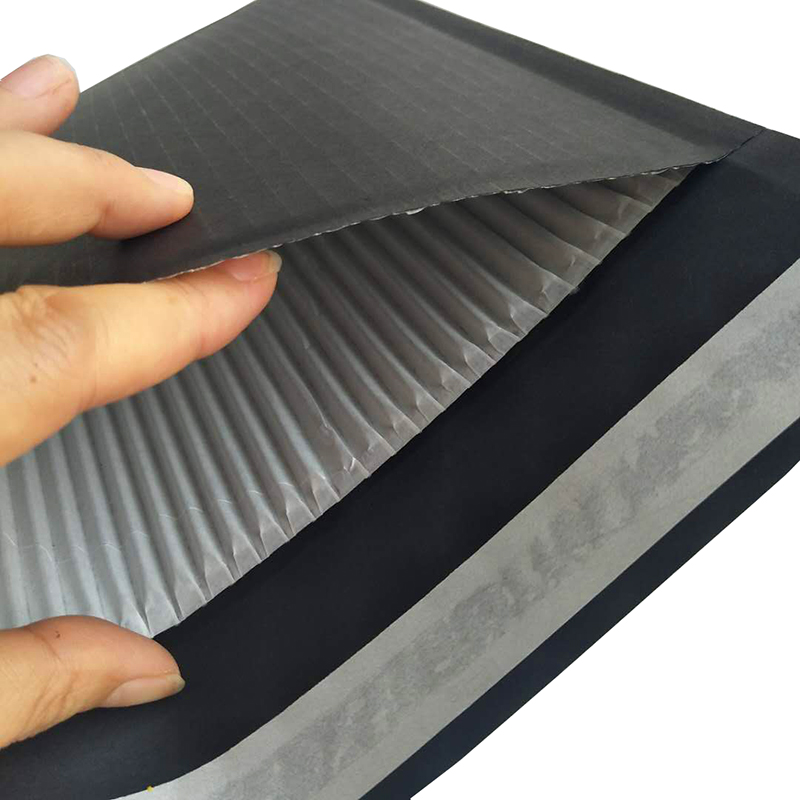
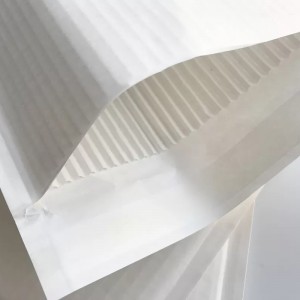
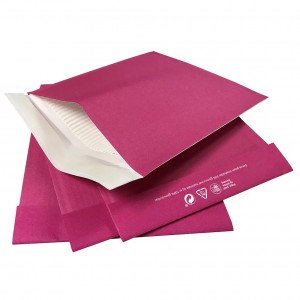
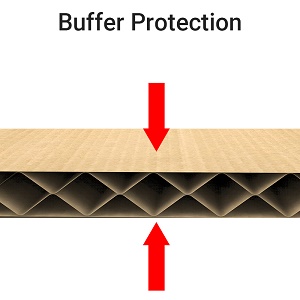
Corrugated bags are made from a combination of paper and a fluted layer that provides structural strength. This design is similar to that of corrugated cardboard, which is widely recognized for its durability and protective qualities. The fluted layer acts as a cushion, allowing the bag to absorb shocks and impacts during handling and transportation. This makes corrugated bags an attractive option for packaging fragile items, such as glassware, electronics, and delicate components.
**Shock Absorption Properties**
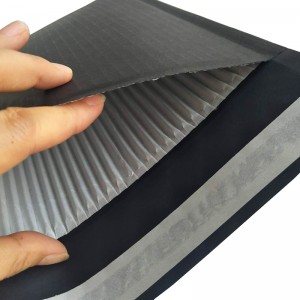
The shock absorption capability of a corrugated bag primarily stems from its construction. The fluted layer creates air pockets that can compress upon impact, effectively dissipating energy and reducing the force transmitted to the contents inside. This characteristic is crucial in preventing damage during transit, especially when packages are subjected to rough handling or sudden drops.
Moreover, the thickness and quality of the corrugated material can influence its shock-absorbing properties. Higher-quality corrugated bags, made from thicker paper and with a more robust fluted structure, tend to offer better protection. Manufacturers often provide specifications regarding the weight capacity and protective features of their corrugated bags, allowing businesses to select the right option based on their specific needs.
**Comparative Analysis with Other Packaging Materials**
When evaluating the shock absorption capabilities of corrugated bags, it is essential to compare them with other packaging materials. For instance, traditional plastic bags may not provide the same level of protection due to their lack of structural support. While they may be lightweight and cost-effective, they often fail to absorb shocks effectively, leading to potential damage to fragile items.
On the other hand, materials like bubble wrap and foam padding are well-known for their shock-absorbing qualities. However, they are typically used in conjunction with other packaging solutions, such as boxes or crates, rather than as standalone options. Corrugated bags, with their inherent strength and cushioning properties, can serve as a more integrated solution for certain applications, particularly for items that require both flexibility and protection.
**Environmental Considerations**
In addition to their protective qualities, corrugated bags are often favored for their environmental benefits. Made from renewable resources, they are recyclable and biodegradable, making them a more sustainable choice compared to plastic alternatives. This aspect is increasingly important for businesses looking to reduce their environmental footprint while still ensuring product safety.
**Conclusion**
In conclusion, corrugated bags do provide good shock absorption, making them a reliable choice for packaging fragile items. Their unique construction allows them to effectively dissipate impact forces, protecting contents during transit. When selecting packaging materials, businesses should consider the specific needs of their products and the protective qualities of corrugated bags. With their combination of durability, sustainability, and shock-absorbing capabilities, corrugated bags stand out as a practical solution in the packaging industry.
Post time: Nov-09-2026