

**How to Judge the Quality of Paper Tubes**
Paper tubes are versatile products used in various industries, from packaging to crafts. They serve as cores for products like toilet paper, paper towels, and even as structural components in art projects. However, not all paper tubes are created equal. Understanding how to judge the quality of paper tubes is essential for ensuring that they meet your specific needs. Here are some key factors to consider when evaluating the quality of paper tubes.

**1. Material Composition**
The first aspect to consider is the material composition of the paper tube. High-quality paper tubes are typically made from recycled paper or virgin paper, which is free from harmful chemicals. The type of paper used can significantly affect the strength and durability of the tube. Look for tubes made from kraft paper, which is known for its strength and resistance to tearing. Additionally, check if the paper is treated for moisture resistance, especially if the tubes will be used in environments where they may be exposed to humidity.
**2. Thickness and Weight**
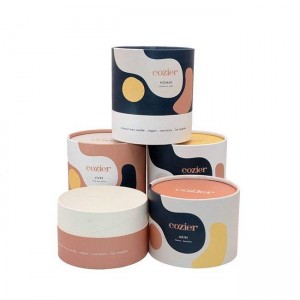
The thickness of the paper tube is another critical factor in determining its quality. Thicker tubes generally offer better strength and durability, making them suitable for heavier products. When judging the quality, consider the weight of the tube as well. A heavier tube often indicates a denser material, which can enhance its structural integrity. However, balance is key; a tube that is too heavy may not be practical for certain applications, while one that is too light may not provide the necessary support.

**3. Manufacturing Process**
The manufacturing process can also impact the quality of paper tubes. High-quality tubes are produced using advanced techniques that ensure uniformity and precision. Look for manufacturers that adhere to strict quality control standards and have certifications that demonstrate their commitment to quality. Additionally, inquire about the production methods used, such as whether they employ eco-friendly practices or use adhesives that are safe for the environment.

**4. Surface Finish**
The surface finish of a paper tube can affect both its aesthetic appeal and functionality. A smooth finish is often indicative of a well-made tube, as it reduces the risk of splintering or tearing. If the tube will be printed on or used for branding purposes, a high-quality surface finish is essential for achieving clear and vibrant graphics. Check for any imperfections, such as wrinkles or uneven surfaces, which can be signs of poor manufacturing.
**5. Dimensions and Tolerances**
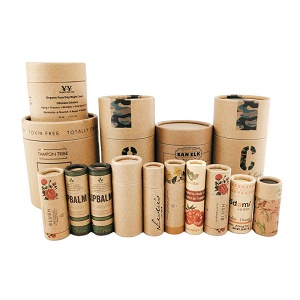
Accurate dimensions and tolerances are crucial for ensuring that the paper tube fits its intended application. Measure the diameter, length, and wall thickness to ensure they meet your specifications. High-quality manufacturers will provide precise measurements and may even offer custom sizes to accommodate unique needs. Inconsistent dimensions can lead to issues during production or use, so it’s essential to verify this aspect.
**6. Performance Testing**
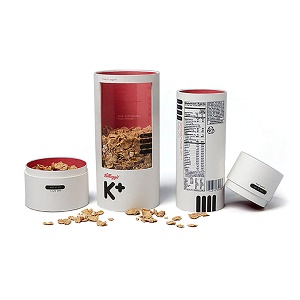
Finally, consider whether the paper tubes have undergone performance testing. Quality manufacturers often conduct tests to assess the strength, durability, and resistance of their products. Look for information on load-bearing capacity, compression strength, and other relevant performance metrics. This data can provide valuable insights into the tube’s reliability and suitability for your specific application.
In conclusion, judging the quality of paper tubes involves a comprehensive evaluation of various factors, including material composition, thickness, manufacturing processes, surface finish, dimensions, and performance testing. By paying attention to these aspects, you can ensure that you select high-quality paper tubes that meet your needs and expectations. Whether for packaging, crafts, or industrial applications, investing in quality paper tubes will ultimately lead to better performance and satisfaction.
Post time: May-14-2026