

In recent years, the shift towards sustainable shopping practices has gained significant momentum, leading to a resurgence in the popularity of shopping paper bags. These eco-friendly alternatives to plastic bags not only serve a practical purpose but also align with the values of various consumer groups. Understanding which demographics are primarily suited for shopping paper bags can help retailers and manufacturers tailor their products and marketing strategies effectively.
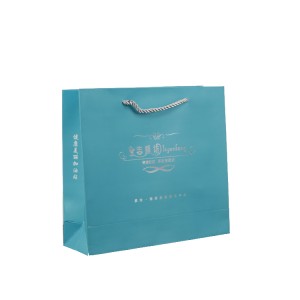
**1. Environmentally Conscious Consumers**
One of the most prominent consumer groups that gravitate towards shopping paper bags is the environmentally conscious demographic. This group includes individuals who prioritize sustainability and are actively seeking ways to reduce their carbon footprint. They are often well-informed about the environmental impact of plastic waste and prefer biodegradable options. Shopping paper bags, made from renewable resources, appeal to this group as they are recyclable and compostable, making them a responsible choice for eco-friendly shopping.
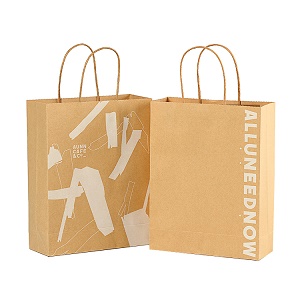
**2. Millennials and Gen Z**
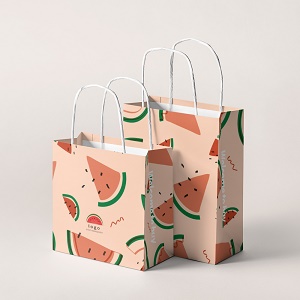
Younger generations, particularly Millennials and Gen Z, are increasingly driving the demand for sustainable products, including shopping paper bags. These consumers are not only concerned about the environment but also value brands that demonstrate social responsibility. They are more likely to support businesses that use sustainable packaging and practices. Shopping paper bags resonate with their values, as they often seek products that reflect their commitment to environmental stewardship. Retailers targeting these demographics can benefit from incorporating stylish and trendy designs into their paper bags, making them not just functional but also fashionable.
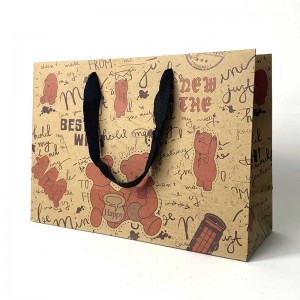
**3. Health-Conscious Shoppers**
Health-conscious consumers are another group that favors shopping paper bags. This demographic often seeks to avoid harmful chemicals found in plastic bags, which can leach into food products. Paper bags, typically made from natural materials, provide a safer alternative for carrying groceries and other items. Additionally, many health-conscious shoppers are also inclined towards organic and locally sourced products, which often come packaged in eco-friendly materials. By using shopping paper bags, they can align their purchasing habits with their health and wellness goals.
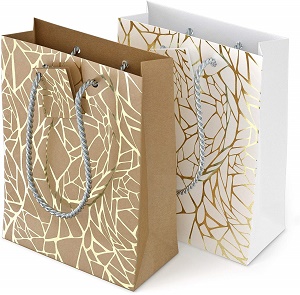
**4. Families and Parents**
Families, particularly those with young children, are also a significant consumer group for shopping paper bags. Parents are increasingly aware of the importance of teaching their children about sustainability and responsible consumption. By using paper bags, they can set a positive example for their children, instilling values of environmental responsibility from a young age. Moreover, shopping paper bags often come in larger sizes, making them practical for carrying multiple items, which is a necessity for families on the go.
**5. Local and Small Business Supporters**
Consumers who prioritize supporting local businesses are also inclined to use shopping paper bags. Many small businesses, such as artisanal shops and farmers’ markets, opt for paper bags to reflect their commitment to sustainability and community values. Shoppers who frequent these establishments often appreciate the personal touch and are more likely to choose paper bags that align with the ethos of supporting local economies. This consumer group values the story behind their purchases and is drawn to brands that share their commitment to sustainability.
**Conclusion**
Shopping paper bags have become a staple in the retail landscape, appealing to a diverse range of consumer groups. From environmentally conscious individuals to families and supporters of local businesses, these bags serve not only as a practical solution for carrying goods but also as a reflection of the values held by modern consumers. As the demand for sustainable products continues to grow, understanding these consumer groups will be essential for businesses looking to thrive in an increasingly eco-aware market. By catering to the preferences and values of these demographics, retailers can foster loyalty and contribute to a more sustainable future.
Post time: Oct-10-2026