

Walk into a boutique in Milan, a grocery chain in Sydney, or a coffee roaster in Toronto, and there is a good chance the paper bag in your hand was made in China. Chinese paper shopping bags have become the default carrier of global retail, not by accident, but because several structural forces converged at the same time.
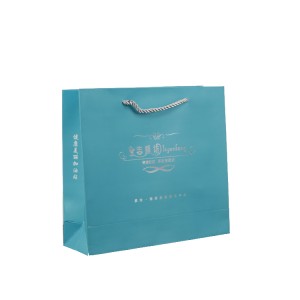
Regulation pushed the world away from plastic
The first force was policy. Bans on single-use plastic bags have spread across Europe, North America and Asia over the past decade, and retailers needed a replacement that looked sustainable, held weight and photographed well. Paper was the obvious answer. Analysts expect the global sustainable packaging market to reach USD 476.16 billion by 2032, growing at roughly 5.4% a year, and paper carrier bags sit right in the middle of that shift.
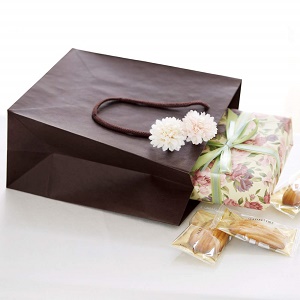
China already owned the capacity
The second force was supply. China is the world’s largest paper packaging producer. Its domestic paper packaging market alone was estimated at USD 73.96 billion in 2025, with forecasts pointing to USD 121.18 billion by 2033. Scale is the real advantage here. Kraft board, printing, die-cutting, handle attachment and quality control all sit within a few hours’ drive of each other in established manufacturing clusters, so a buyer gets consistent quality at a fraction of Western unit cost, and can scale an order without changing supplier.
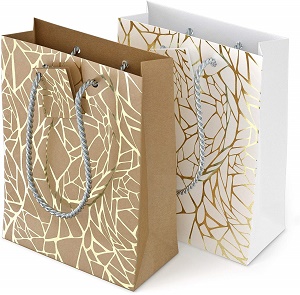
Customisation turned a commodity into a brand product
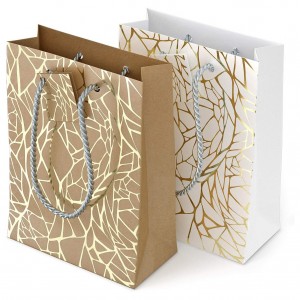
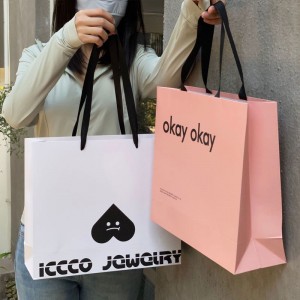
A plain kraft bag is a commodity. A bag with a foil-stamped logo, matte lamination, a custom handle and a printed interior is a marketing asset. Chinese factories built their business around exactly that: low minimum order quantities, fast sampling, and one-stop finishing under a single roof. Procurement teams now routinely publish “top paper bag manufacturers in China” shortlists, precisely because the customisation layer, not the raw bag, is where the value sits. For a brand, the bag stops being packaging and becomes the cheapest piece of media it owns.
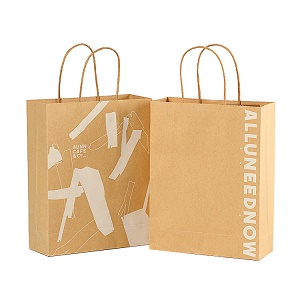
Export infrastructure made direct sourcing normal
Chinese suppliers also solved the least glamorous problem in the chain: getting the product to the buyer. Mature freight forwarding, export documentation and B2B marketplaces have made a 5,000-unit order from overseas as routine as a domestic purchase. For small brands in particular, that removed the last barrier between an idea and a printed, shipped, shelf-ready bag.
The demand is structural, not a fad
Underneath all of this, demand for paper packaging is not a passing trend. Global paper packaging is forecast to expand from about USD 416 billion in 2025 to more than USD 611 billion by 2033. Even large Western retailers that switched to paper bags found themselves importing them from China. Woolworths drew public criticism in 2020 for exactly that, which shows how thoroughly the supply chain depends on Chinese manufacturing.
What it means for buyers
The takeaway is simple. Chinese paper shopping bags are popular because they are affordable, fast to customise, reliable at scale, and easy to ship anywhere in the world. The question is no longer whether to source from China, but which supplier to choose, and how quickly you can get a sample in your hands.
Post time: Oct-07-2026