

In recent years, the retail landscape has undergone significant changes, particularly in the realm of packaging. Among the various options available, shopping paper bags have emerged as a popular choice for both consumers and retailers. This article explores the role of shopping paper bags in the current packaging market and examines whether they account for a large proportion of packaging products.
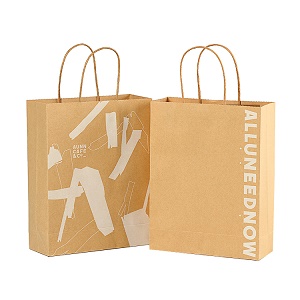
Shopping paper bags have gained traction due to their eco-friendly nature. As environmental concerns continue to rise, consumers are increasingly seeking sustainable alternatives to plastic bags. Paper bags, made from renewable resources, are biodegradable and recyclable, making them a more environmentally responsible option. This shift in consumer preference has prompted many retailers to adopt shopping paper bags as part of their packaging strategy.
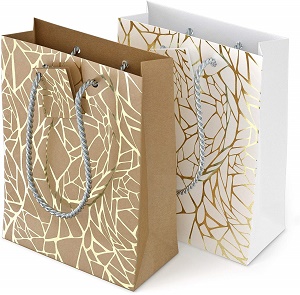
The versatility of shopping paper bags is another factor contributing to their popularity. Available in various sizes, colors, and designs, these bags can be customized to reflect a brand’s identity. Retailers can use shopping paper bags not only as functional packaging but also as a marketing tool. A well-designed paper bag can enhance brand visibility and create a memorable shopping experience for customers. This dual purpose has led to an increase in the demand for shopping paper bags across various sectors, including fashion, food, and electronics.
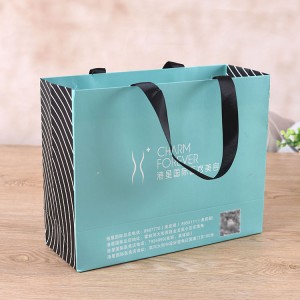
In terms of market share, shopping paper bags do account for a significant proportion of current packaging products. According to industry reports, the global paper bag market has been experiencing steady growth, driven by the rising demand for sustainable packaging solutions. As more countries implement bans on single-use plastics, the shift towards paper bags is expected to accelerate. This trend is particularly evident in regions such as Europe and North America, where consumers are more environmentally conscious and willing to pay a premium for sustainable products.

Moreover, the COVID-19 pandemic has further influenced consumer behavior and packaging choices. With an increased focus on hygiene and safety, many retailers have opted for paper bags as a safer alternative to reusable bags. This shift has not only boosted the sales of shopping paper bags but has also reinforced their position in the packaging market.
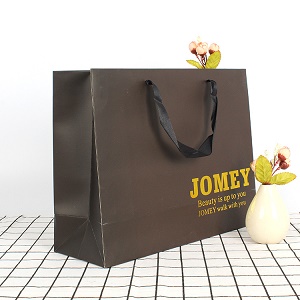
However, it is essential to acknowledge the challenges faced by the paper bag industry. The production of paper bags requires significant resources, including water and energy, and can contribute to deforestation if not sourced sustainably. As the demand for shopping paper bags continues to rise, it is crucial for manufacturers to adopt responsible sourcing practices and invest in sustainable production methods.

In conclusion, shopping paper bags do account for a large proportion of current packaging products, driven by consumer demand for sustainable alternatives and the versatility they offer to retailers. As the market continues to evolve, it is likely that shopping paper bags will play an increasingly prominent role in the packaging landscape. Retailers and manufacturers must remain mindful of the environmental impact of their choices and strive to promote sustainability in their packaging solutions. The future of shopping paper bags looks promising, and their continued growth will be a testament to the changing attitudes towards packaging in our society.
Post time: Aug-25-2026